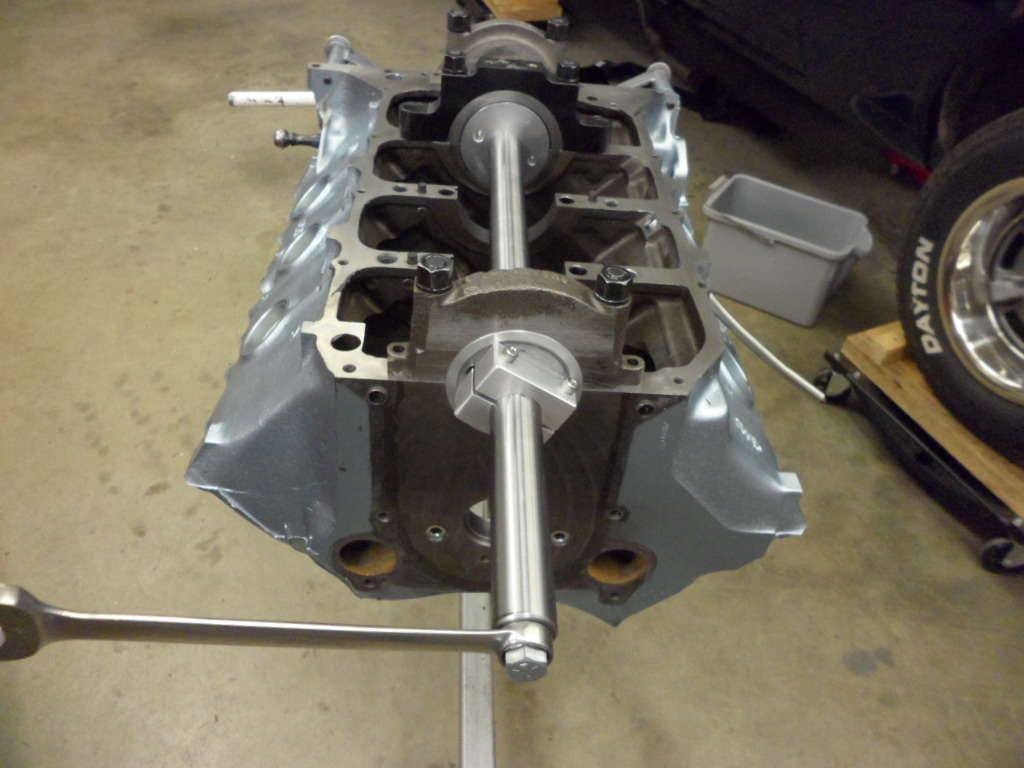
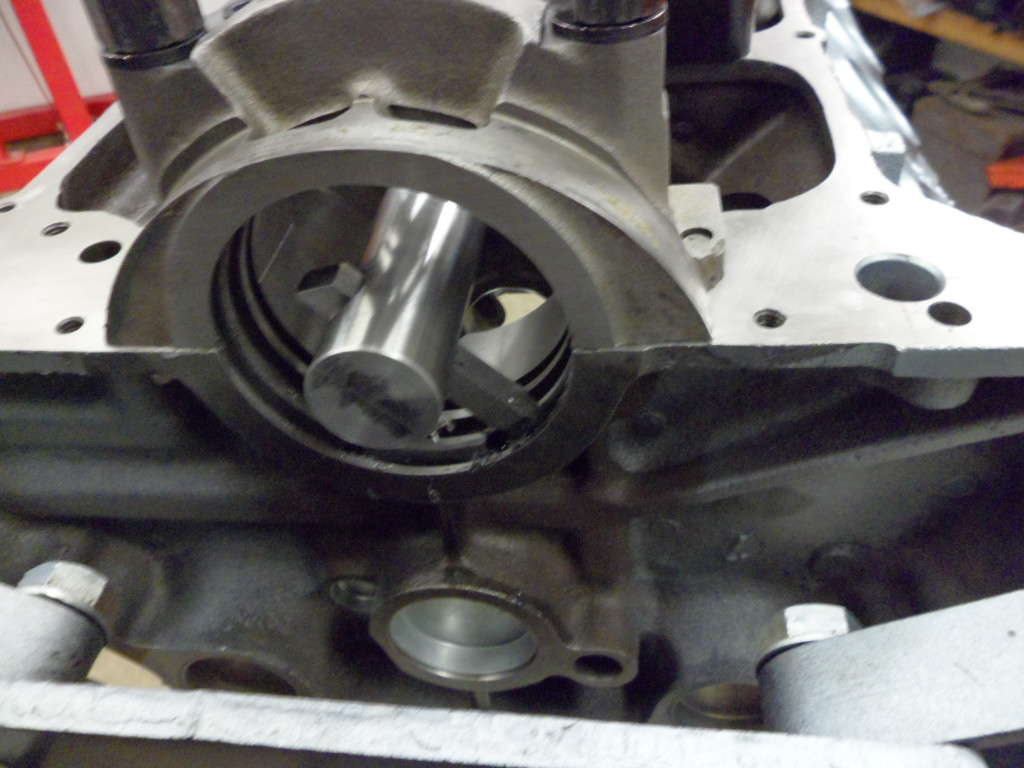
The one piece and two piece chevron style rear seals work well but have to be installed correctly. If the anti rotation holes in the cap and block are not cleaned out first then refilled with sealant before the seal is installed it will leak. It's best to install them with the mating ends just a few degrees turned from the mating lines of the cap and block. It takes two people to install the one piece, I've done the two piece by myself but better with two.
It could be you just need to reinstall a new seal but it's a lot of work, and $$ if you're paying someone else to do it.
Have the crank measured for straightness and out of round, if the seal area surface isn't round it will leak. They can be machined round but don't go through the directional knurls in the seal groove area. Some cranks had the knurling so deep they chewed up some seals.
The crank will have to come out again and the seal groove cleaned. Really cleaned. You should, or have the mechanic, test the seal groove in the cap/block for an out out round condition. Not so much with the small journal cranks, but the 428 and 455 had some blocks with a grove seal that was wasn't true. That can be really bad if a replacement cap is put on. The diameter of the seal groove is measured at the 12-6, 1-7, 2-8,....5-11 positions, if it's out by more than a few thou. the groove will have to be machined. I have the tolerance specs for the groove someplace, I'll try to find and post it.
If the main line has been bored it may have caused a non circular condition in the seal groove. When the mains are bored and honed the mating surfaces of the caps are shaved then installed and the bearing bores ground to size. The distance from the center of the bore to the bottom of the groove in the cap is shortened by the amount the caps were shaved. Some blocks have had the mains bored more than once. That can result in the groove in the cap being tighter to center than the groove in the block.
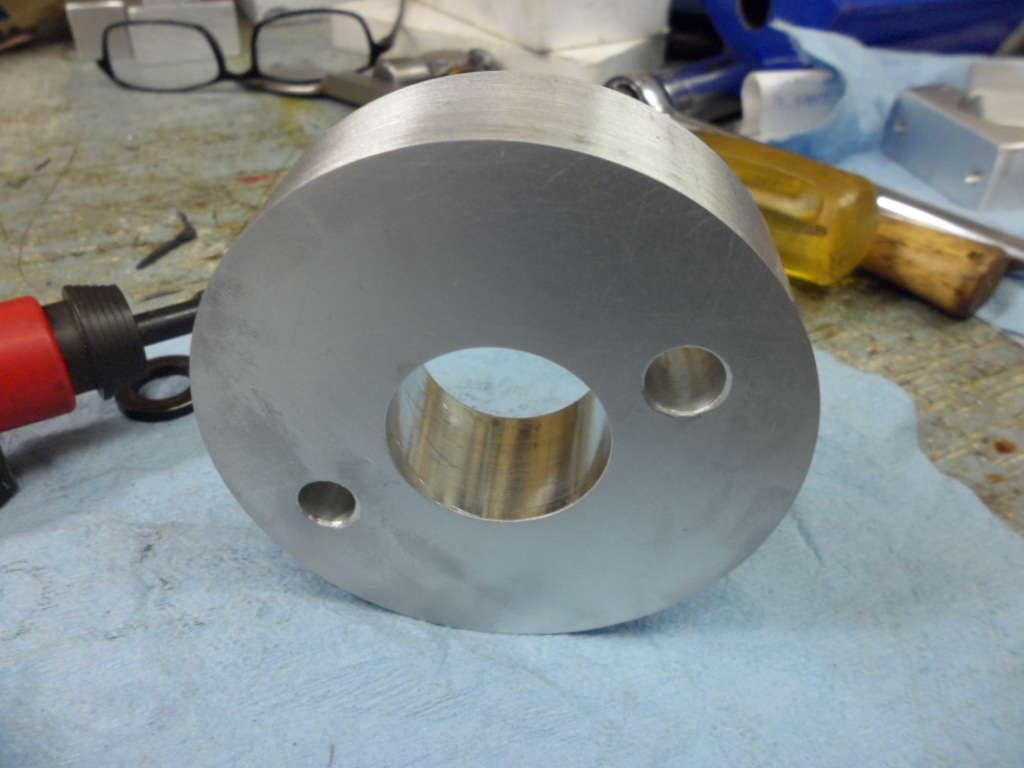
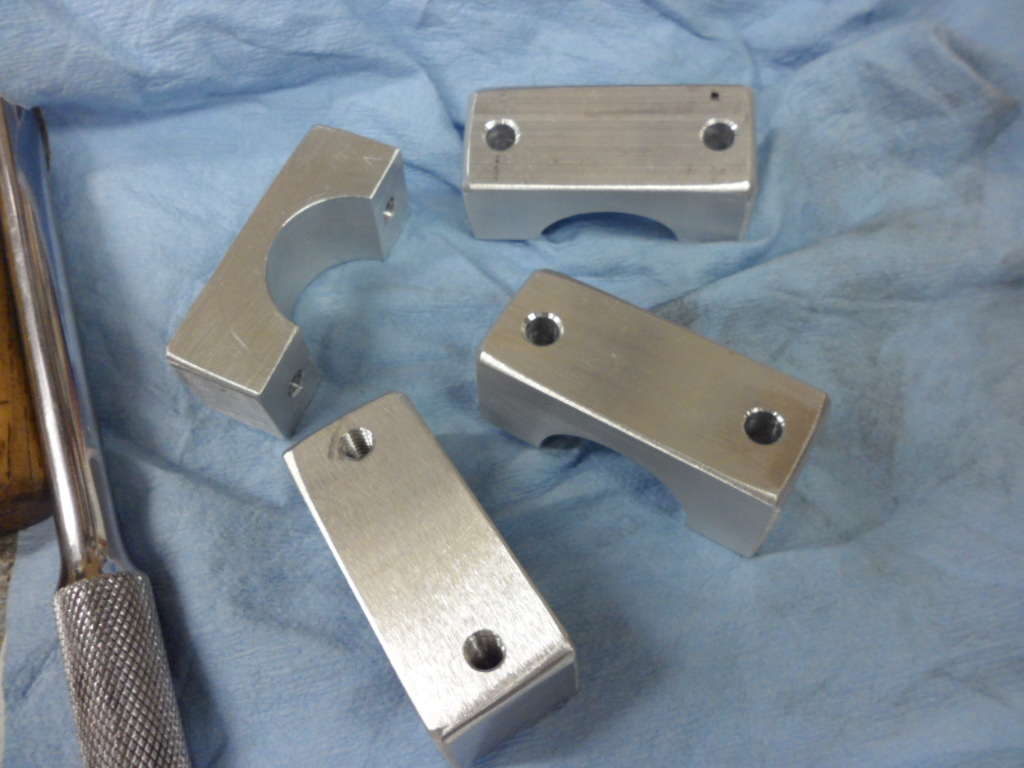
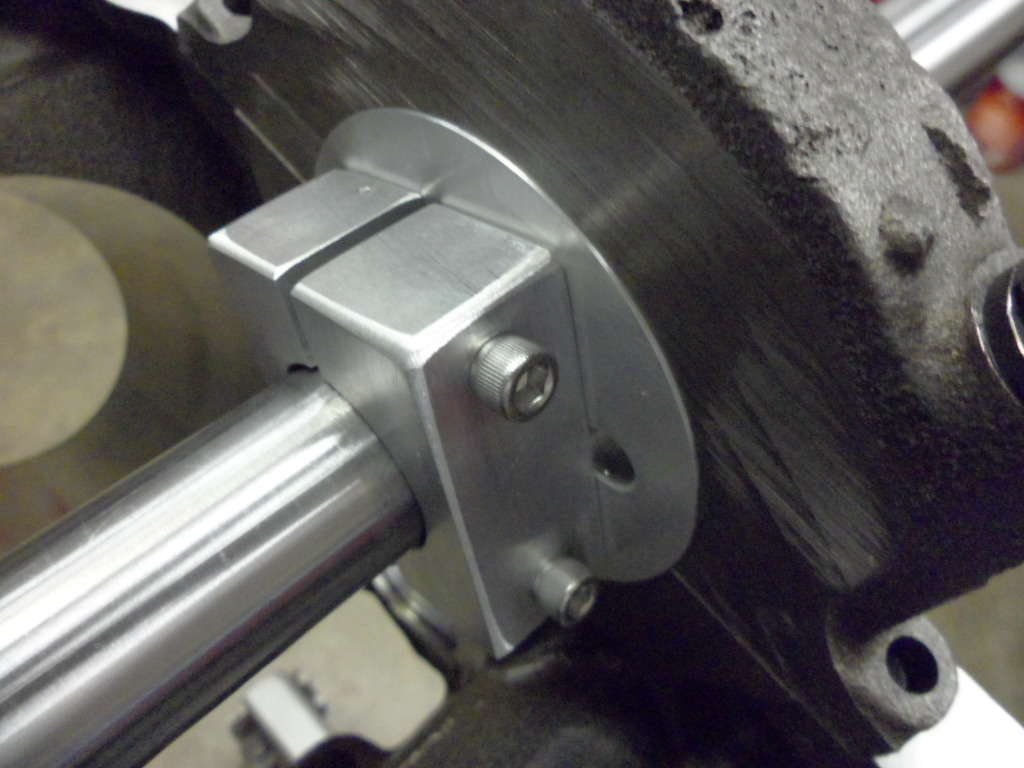
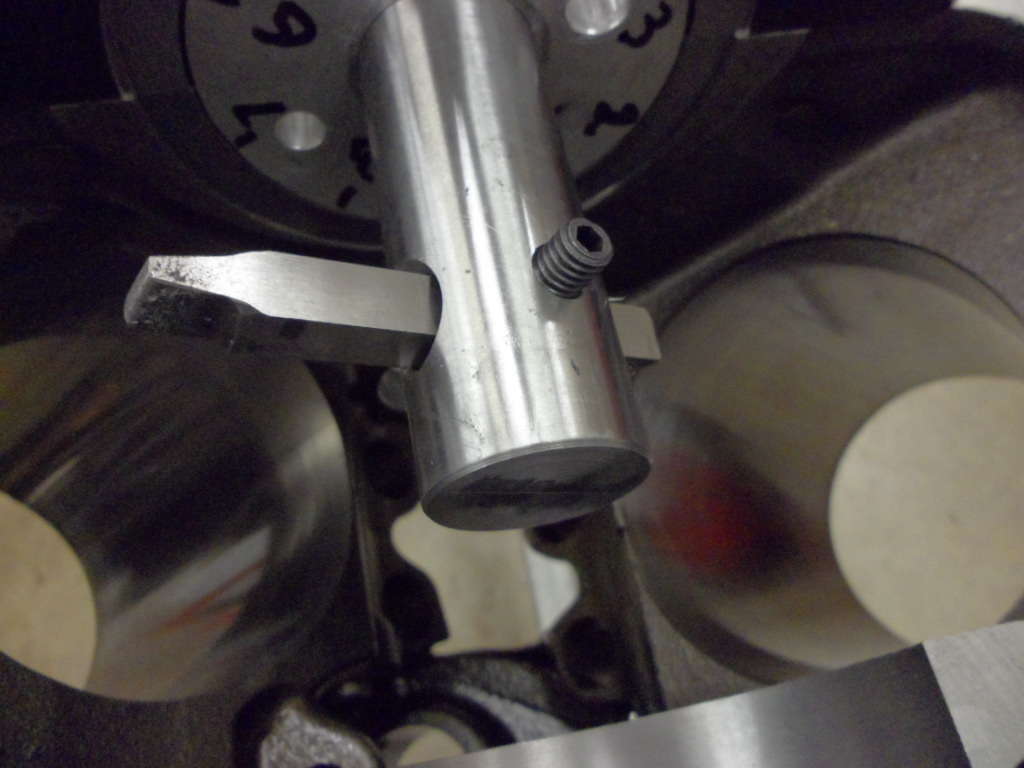
The sad part of this is trying to find a machine shop that will restore the groove for you. Mine was out 16 thou., due to not very professional work by the machine shop I'd taken my block to. I'd replaced my rear seal three times before I measured the groove and found the out of round condition. That was a few years back and I still kick myself for not measuring the groove before I started my build. I measured everything else, which is how I found the machinist bored the mains too large and shaved the caps at an angle other than 90 degree. The bore was bored three times by the time the mistakes were corrected. That resulted in an out of spec rear seal groove. I phoned every machine shop I could find on Vancouver Island and 10 on the lower mainland trying to find someone who would machine the seal groove. Not one would even try. They all said sure until they found out it was a Pontiac and not a chebby. I found a guy in Tennessee, I think it was, but shipping would have cost the same as replacing the block. I eventually made my own tool and bored it round myself. Machinists used to love problem solving, figuring out how to get something done. Now they push buttons on a keyboard, no program for a Pontiac seal groove so they can't do it. If your seal groove is what's causing your leak, maybe you can find an old time machinist to fix it for you.