Hi everyone, I'm looking to get some parts for my project. I need a left front fender, both door skins and a full left quarter panel. I've read about the different front fenders on here. What about the door skins and full quarters. Are they all the same? Is there more than one company producing these? If so, any help on which are the best ones and any to avoid would be greatly appreciated.
Repopped sheet metal is one of the reasons I really like Ames Performance's catalog.
They always provide comments on the quality of items like that. I was really happy with the Goodmark door skin I got from them.
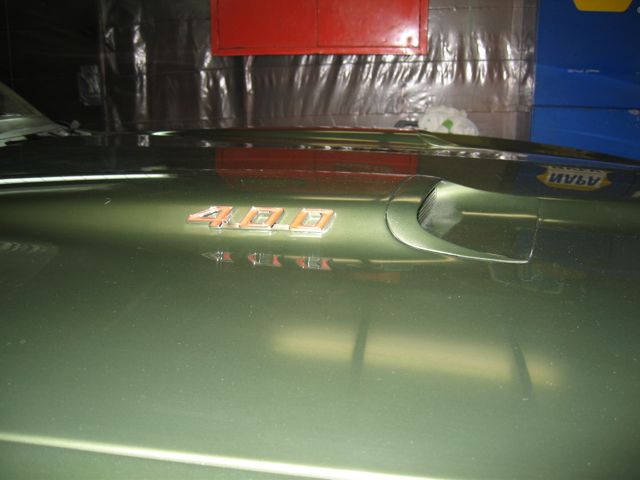
2012 Mustang Boss 302 #1918, Competition Orange. FGF replacement 2006 Mustang V6 Pony, Vista Blue. Factory ordered. 2019 BMW X3 (Titled to the wife, but I'm always driving it for her. So I'm claiming it) Old projects, gone but not forgotten: 1967 FB 400, original CA car. After 22 years of work, trashed by the guy who was supposed to paint it. I had to sell it. 1980 Turbo Trans Am 1970 Mustang fastback, 351C 4Bbl, auto 1988 Mustang GT, 5 speed 1983 F-150 4x4, built 302 1994 Chevy K2500 HD 4x4, 454 TBI
The Goodmark door skins and fenders work good but they sure do dent easy. Not like the originals that you get away with murder with that stiff metal. I found that you even have to be careful when sanding/stripping. I used a paint stripping tool to take off the primer that comes on the panel and actually put some small dents in it. You have to treat these panels like newer car panels. If you are used to bump and paint on newer cars then you will have no problem with the body work.... The panels flex when you block sand them so you can't push hard. Some have reported that the GM fenders that they are repopping have slight body line problems that take a few extra hours to straighten out.
I would think re pops are the same thickness as 'modern' cars....thinner ,to be lighter...
I remember my old 57 Volvo...thick metal, fenders took quite a beating before getting dented...todays cars are waaaay thinner and dents accordingly...thank you CAFE stds... only 'good' thing its easy to undent...lol
You would think so BUT some have measured the thickness of the repops and found it to be the same thickness as the originals.. so you would have to think that the metal is just more flexible. This could be because of the lighter tonage presses that they are using to punch it out. They can't make the factory lines right with the stiff sheet metal. One member has actually weighed a later sheet metal fender and found it to be heavier.
The later(2008) heavier vs earlier(1979) fenders is me. Both are from GM. Why the diff? No idea. Both both sets are better then any repop i've seen.
The repop qtr's are from when they 1st came out vs GM qtrs(1979) is just the opposite. You can oil can and dent the repop's very easily. The GM's have had stuff dropped, smacked, and banged into them many times over the years without being damamged. Dont know how good todays repop qtrs are.
Thanks for all the info everyone. I may try to repair my origianl left front fender. But the left 1/4 must be replaced.
Where are your favorite places to order the sheetmetal from?
I hope to order all I need at once to try to save on the shipping cost. I found a place called Matt's Classic Bowties, has anyone ever ordered through them before? Any good or bad experiences? They have the best prices I've found for sheetmetal.
repop quarters are not bad just the finished edges need work. the thickness are close to original but the metal used must be inferior in the quality than the originals. i think its how the metal is processed is the problem.
measured the thickness of the repops and found it to be the same thickness as the originals.. so you would have to think that the metal is just more flexible. This could be because
modern metal is bent so that the bends offer intergrated structural integrity across the total area. (There has been megamillions spend in research of how metal can be formed to offer the most strenght from the the lightest guage metal.) Earlier cars didn't take intergrated structural inegrity into account; as a restult, the antiquated design doesn't offer intergrated support.
I believe most panels are made from a low carbon sheet steel, 1008/1010 variety. Low cost, and easy to work with when stamping.
The mechanical properties make up how the metal behaves, and the process in which it's rolled also effect the material, for example "cold worked". Each time a metal is bent, it gets cold worked, and stiffens. Grain structure can also impact the strength of a metal.
Nickel content and Cromium are the most costly components of a carbon steel.
I would suspect that the low carbon steel has less Nickel content than 40 years ago as these costs have gone thru the roof.
Steel surcharges are common in the industry especially for Stainless Steel. Low Carbon Steel is also on the rise.


 still have my textbook.


