A three row radiator is not ideal for a 400, especially if it's an automatic or if the radiator has not been tested and/or recored recently.
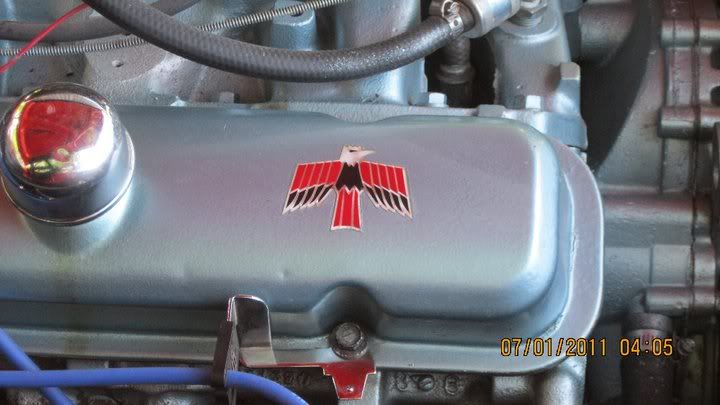
Discoloration and blistering of paint on the center runners of the intake is normal. There are heat crossover passages between the heads (adjacent to exhaust runners) and the intake to aid quick choke opening. These can be blocked off with stainless shims or block plates.
Have you verified your temperatures with another calibrated thermometer? Remove the radiator cap while the engine is cool, place a thermometer in the radiator, heat the engine to operating temperature and compare to the gauge.
Does your engine show any signs of overheating such as pinging, gushing coolant, steam or other external symptoms?
Have you examined and tested your thermostat recently?
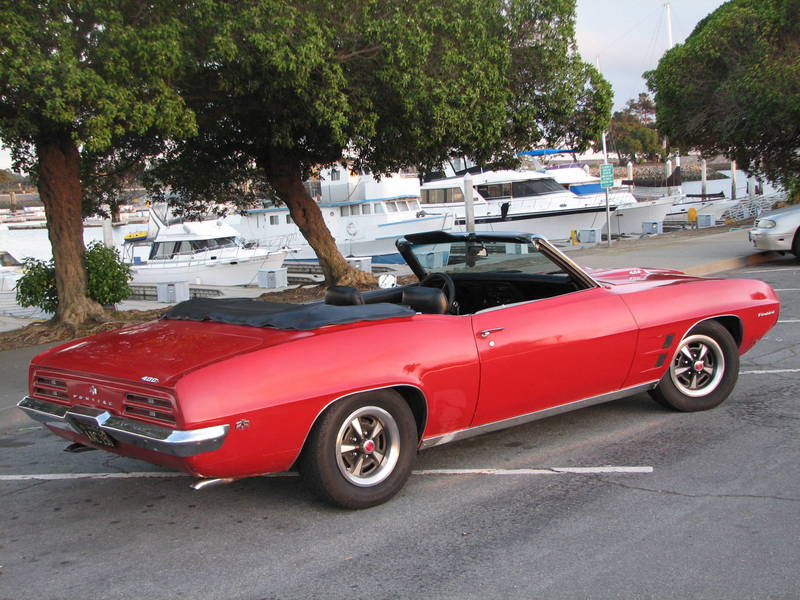
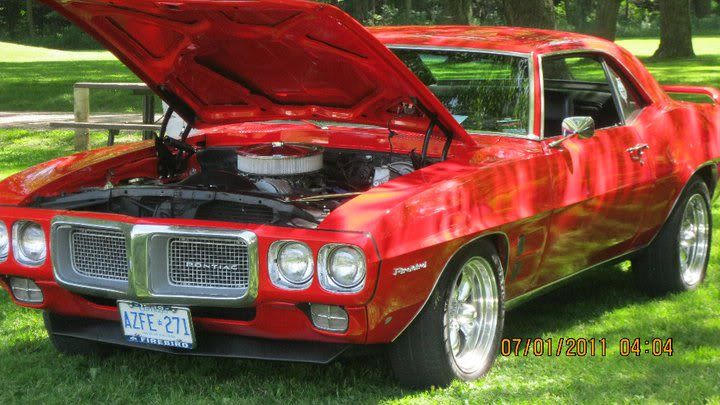
Vikki 1969 Goldenrod Yellow / black 400 convertible numbers matching
might want to try the simple first. with the engine cool have the radiator cap off . start the engine , let it run till warmed up . check for fluid flow movement circulating in the radiator, to make sure water pump is working proper. may want to replace thermostat next. that would be cheap starting points to look at.
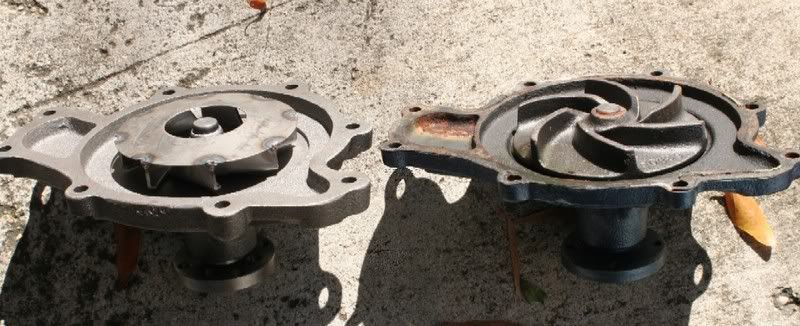
New water pump, water pump plate, thermostat. The new plate helped a little as the old one was corroded around the holes and some flow loss was certainly happening but that was not the complete problem obviously.
Plenty of flow through the radiator, just maybe not enough rows?
How many rows is a stock radiator for that engine?
In 24 years, has it run hot before? If not, what is different now?
The mastcated fillers are rubbber type peices that seal the spaces on each side of the radiator. The x-fillers seal the spaces at the top of the radiator, between the bumper supprt and the radiator support. These help channel the air through the radiator, and have been found to make a significant difference.
Switching to a 4 core from a 3 core rad would, in effect, increase the cooling capacity by 30%...so, yes, it would help.
Can you post photos of your fan and shroud?
What is your ignition timng?
Last edited by Bronze Bird; 08/16/0906:24 PM.
I'm a hobbyist. Not a professional. Don't be hatin'!
Could it be exhaust related? I recall that if a heat riser in the exhaust manifold got stuck in the closed (cold) position, it would continue to push hot exhaust over the intake to the opposite side and overheating could result.
Ok, so the car does not have a heat riser on the exhaust manifold.
I have some baffling between the top of the shroud and the radiator support. There is nothing on the sides but a 1/2" gap that could be filled I suppose.
The pressure buildup is from steam not exhaust gasses as this hose blowing event only takes place with the engine off.
The new water pump does not have a cast impeller, and as far as the distance between the plate, it is what it is, not sure how to get it closer.
The car has always run hot,I have just put up with it, but I am on quest to resolve this problem once and for all.
I thought the new plate would solve the problem.
I am leaning toward the 4 row upgrade.
$400
Trying to avoid spending this but it might be money well spent.
Not sure if anyone has addressed this, but the "hot spot" in your manifold is the exhaust runner crossover. It will discolor paint and will be very hot. Should not have any effect on operating temp. Coolant only runs through the front crossover where the t-stat is mounted. Good thing you're in S.F./Bay area, imagine what your temps would be in the summer in the Sacto valley where I'm at!
Not sure if anyone has addressed this, but the "hot spot" in your manifold is the exhaust runner crossover. It will discolor paint and will be very hot. Should not have any effect on operating temp. Coolant only runs through the front crossover where the t-stat is mounted. Good thing you're in S.F./Bay area, imagine what your temps would be in the summer in the Sacto valley where I'm at!
Thanks for that, this is good info.
I was considering pulling the manifold to inspect, but if there are no cooling passages there that explains the heat.
Cool the engine to 190-200 and that hot spot should not be getting as hot.
While you have your rad out, remove your water pump and make sure your divider plate is no more than 1/16 inch from the impellor blades. Use a hammer to beat into place(while removed from pump, of course). Trial and error...you'll figure it out.
I don't buy into the cast vs. stamped blade comparison. I use a Flow-Kooler pump with 8 shrouded stamped blades. It has worked well for over a year.
I'm a hobbyist. Not a professional. Don't be hatin'!
I was experiencing the identical symptoms you were. Changing the radiator to an aluminum radiator made all the difference. I think my old one was clogged or something. I did have it cleaned out by a professional (supposedly), but the old copper one would never make the car run cool. $200 later the car NEVER gets above 190F. Best money I've spent on the car so far. Not saying the radiator is the only potential problem, but it worked for me! I don't even have any of the fillers talked about previously. The only reason I didn't change it out sooner was from lack of research. I was expecting to spend $1200 or so on one of the "Be-Cool" radiators...check eBay...found mine for $200
I think the hose was blowing off because there was no ridge on the thermostat housing, and when I did the water pump. I sanded and painted the neck making it slick.
I roughend it up and reinstalled it.
I just dropped the radiator off at a classic radiator specialist.
It will be recored into a 4 row high performance.
Supposedly it will "cool a locomotive".
$375 out the door.
Hope this is the issue.
Thanks very much for all the help folks, I will let you know what happens.