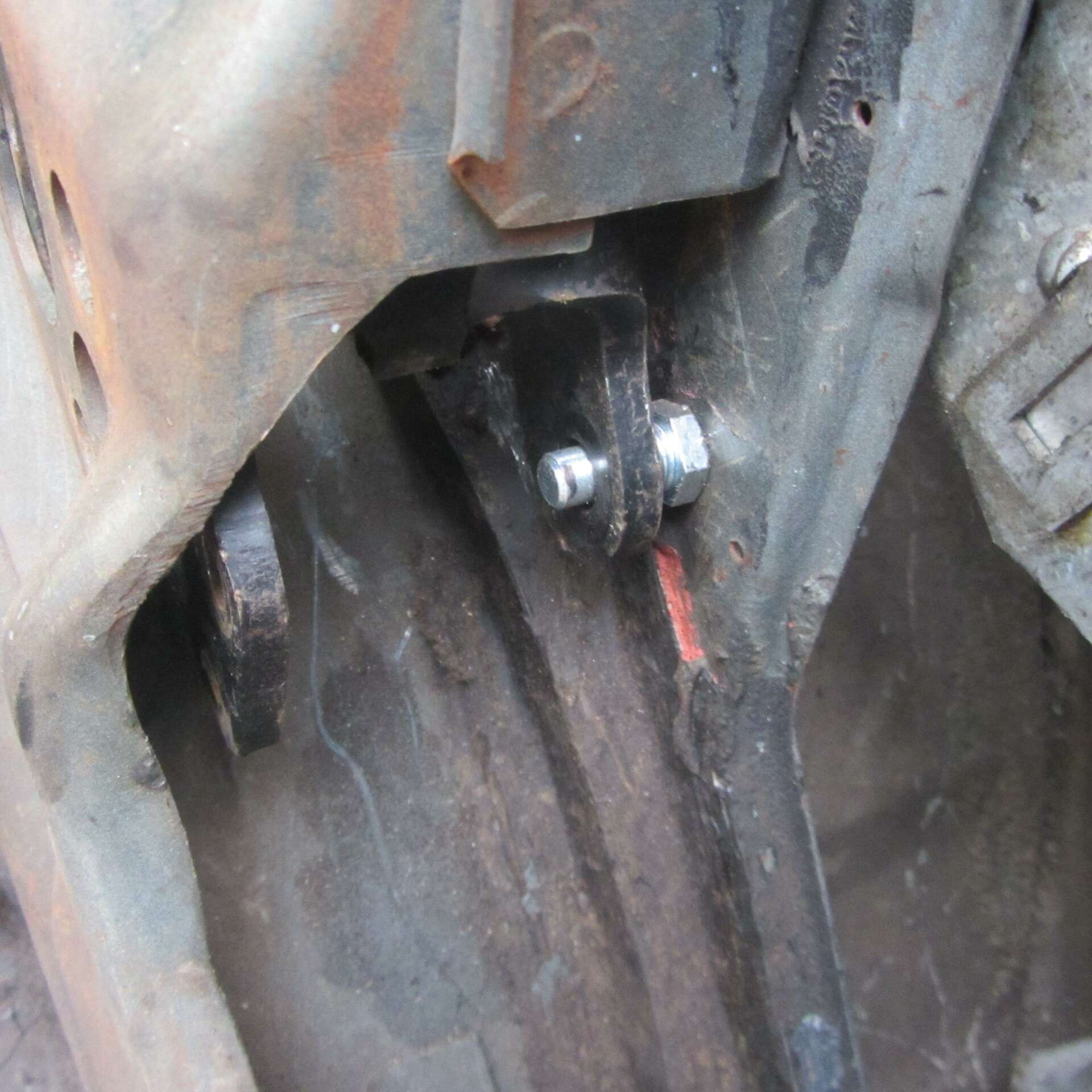
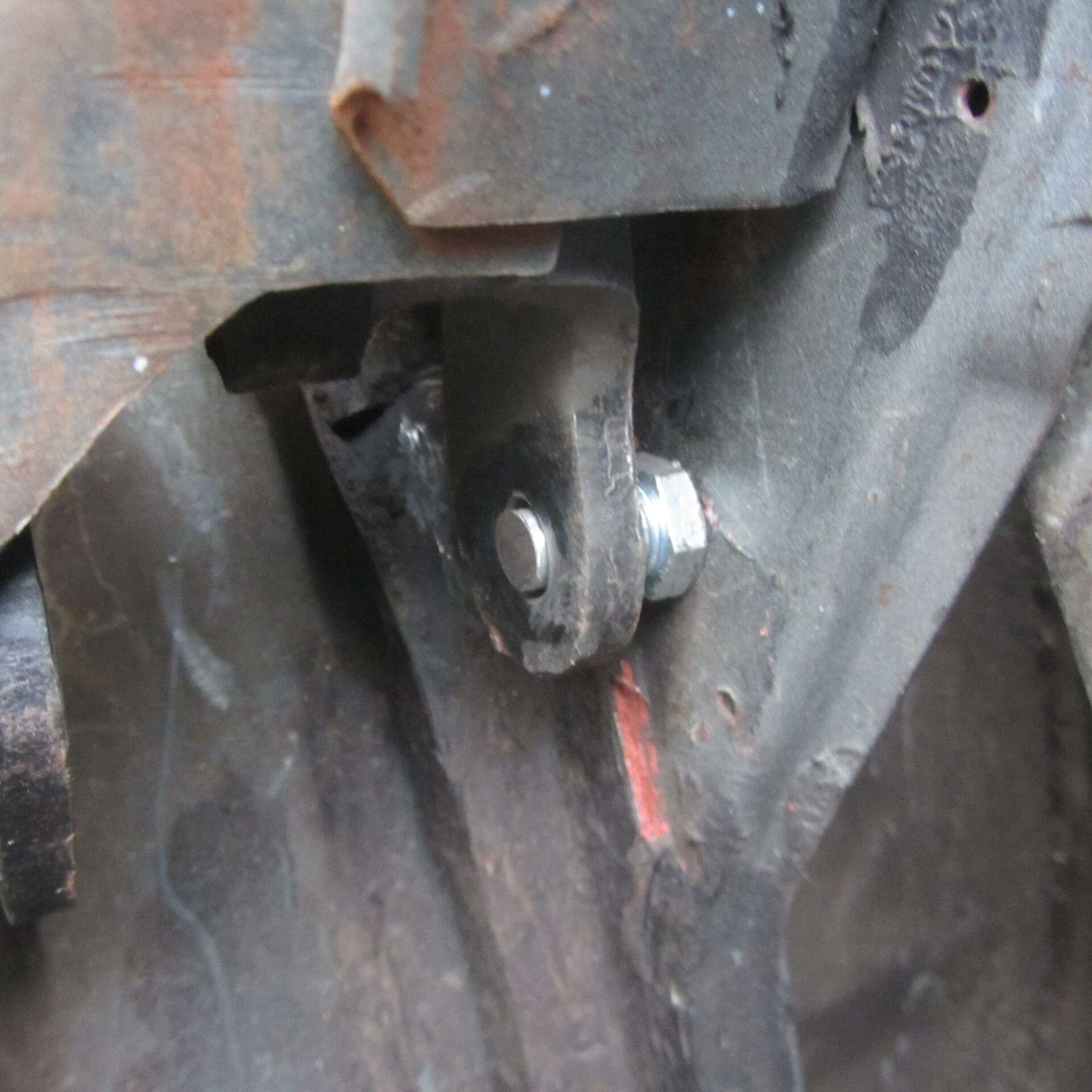
When I did mine I had to remove the cylinders completely. That means removing the side panels, the rear seats and backrest, and accessing the bolts that the cylinders pivot on. The cylinder rod eyes must also be unbolted from the top mechanism. This is a BIG PITA. The worst is that the inner pivot bolts don't want to clear the bracket that the cylinder pivots on so the cylinder can be removed. The outer bolt comes right out. I ended up removing the entire bracket to get the bolts out- then shaving them down enough to let the cylinder pass into the bracket. According to the FSM they should just pass with no problem. Not on mine. It's as if they used bolts that were too long, or inserted the entire assembly as a unit. Either way, getting the cylinder out is an exercise in frustration. If you unbolt any of the adjusting nuts and bolts- MARK THE POSITION so they can go back in exactly the same way. A paint pen works well for that.
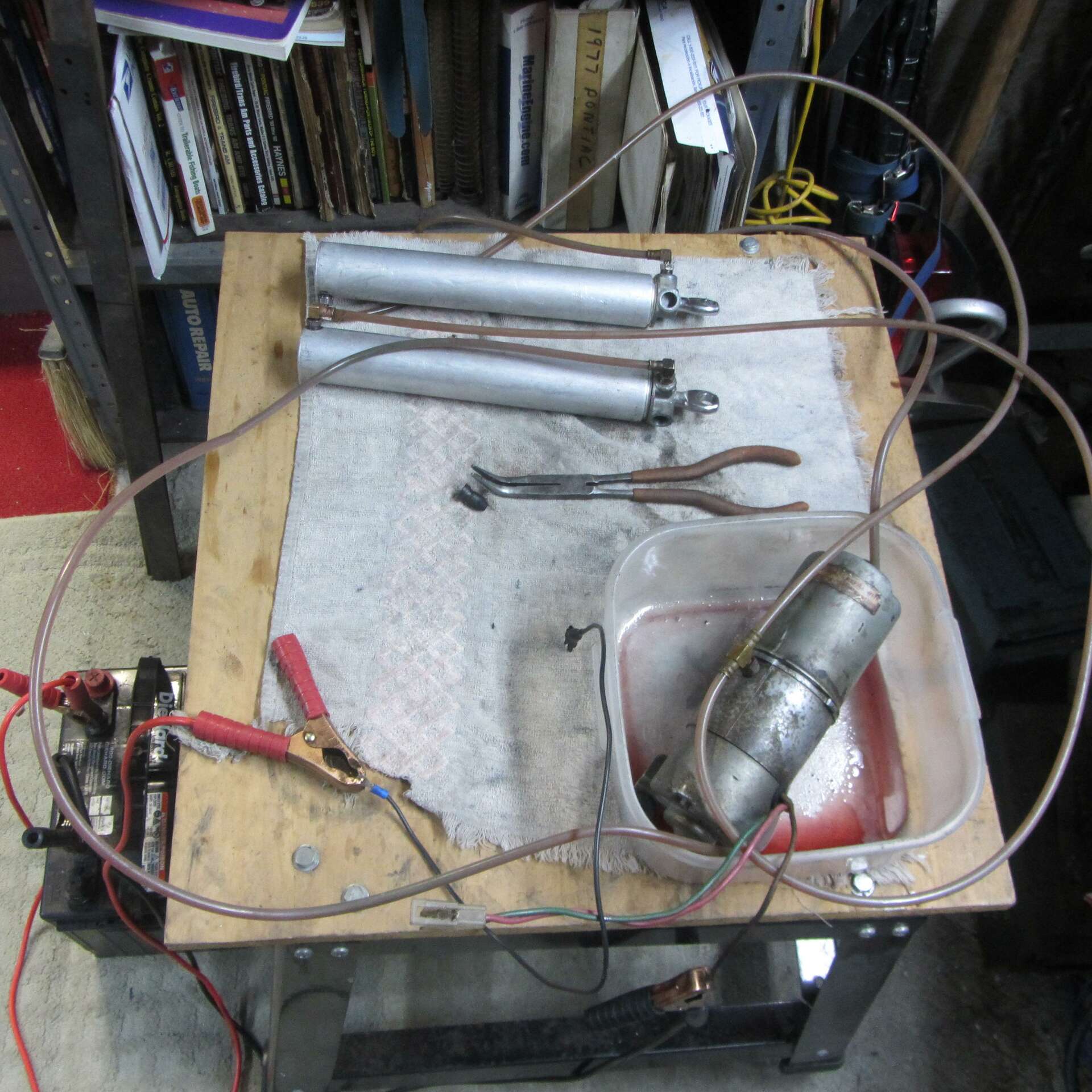
Since you are changing the hoses, you must also try and purge as much air as possible before buttoning it all up. I had to rebuild my pump because the O-ring that separates the oil reservoir from the motor leaked and flooded the motor. After I did that I took the cylinders, the hoses, and the pump, and placed them all on my work table. Then I went about bleeding all the air from the lines. It is an endless procedure but worth it. The FSM has a procedure that sort of works. You must fabricate a bleeding hose that uses an extra rubber motor plug. As the pump operates, air in the reservoir is expelled into a catch can full of DEXRON. You add DEXRON to the pump to keep it filled. In my opinion that is OK if all you have is a bit of air in the lines. But if the cylinders and hoses are empty I prefer my way. I tilted the cylinders so all the air rose to the hose fitting end. Then I pumped it so as it emptied, the air went through the hoses back to the pump. See the pics. That procedure got all the air out of the lines.
I don't know if I did all this the hard way or not. If there is an easier way please post it. If the cylinders can be removed by just loosening the pivot bolts that would be ideal. Mine did not do that and led to the disassembly of it all so I could modify the bolts. I hope you have better luck than me.
Last edited by Oldslowandugly; 04/01/25 04:34 PM.